



Sleep that stays disrupted
Several weeks of trouble falling or staying asleep, even when your usual routine remains consistent.
A simple place to understand everyday patterns in sleep, energy, hydration, movement and stress — and organize useful notes for future healthcare conversations.
Notice · Record · Review
A wellness signal is simply a change worth noticing — something that stands out from your usual routine. On its own, one unusual night of sleep or one low-energy afternoon rarely means much. Patterns over time are what tend to be worth paying attention to, and worth mentioning during a healthcare visit.
How long you sleep, how consistent your schedule is, and how rested you feel on waking.
Noticeable dips or surges in alertness across the morning, afternoon and evening.
General fluid intake across the day, and how thirst or fatigue may relate to it.
Everyday activity — walking, stretching, chores — not just formal exercise sessions.
Tension, racing thoughts, irritability, or physical tightness tied to daily demands.
How well you bounce back after a demanding day, workout, or short illness.
Pause briefly during the day and notice how you feel — energy, mood, tension, appetite — without judging it.
Write a short, plain note — a sentence or two is enough. Consistency matters more than detail.
Once a week, read back over your notes and look for patterns, not single-day snapshots.
Turn recurring patterns into specific questions you'd like to ask a healthcare professional.
Bring your notes and questions to a licensed provider — they're trained to interpret them, not a self-diagnosis tool.
These are widely discussed wellness metrics. Understanding what they generally mean can make conversations with a healthcare professional more productive — general reference information alone cannot determine anyone's individual health status.
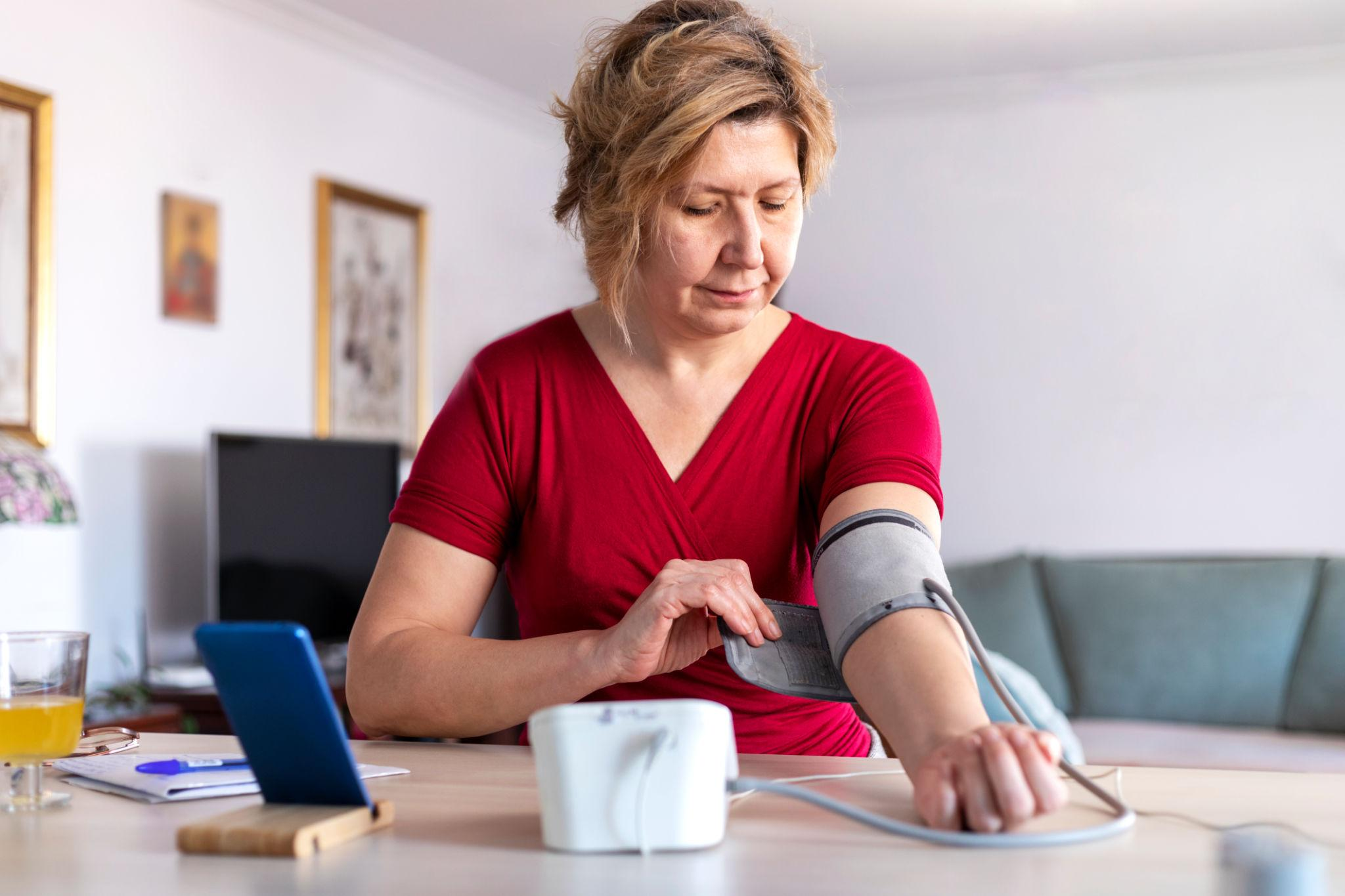
Reflects the force of blood against artery walls; commonly noted alongside routine checkups.
Heartbeats per minute while at rest; can shift with sleep, stress, and activity level.
Total nightly sleep time and consistency, both of which relate to daytime energy.
General activity across the day — steps, chores, stretching — beyond structured workouts.
Individual health interpretation belongs with a qualified healthcare professional — this page is educational only.
Notes on building steadier sleep routines.
Everyday habits that support fluid balance.
Preparing for routine checkups and screenings.
Organizing notes before seeing a provider.
A single off day can happen. Repeated or unusual changes may be worth mentioning during a healthcare visit, especially when they begin to affect your normal routine.
Several weeks of trouble falling or staying asleep, even when your usual routine remains consistent.
Ongoing tiredness that continues after rest or begins to make normal everyday activities harder.
Changes in appetite, weight, or mood that seem unusual and do not follow a clear change in your normal routine.
Sudden or severe symptoms should not wait for pattern tracking or a future appointment.
Seek immediate careQuick answers about HealthVibeAlerta, personal logging, and how the tools on this website are intended to be used.
Explore the website resources or reach out if you have a general question about how HealthVibeAlerta works.
Contact usReviewed for clarity and plain-language accuracy on an ongoing basis.